Menu
- Main Page
- About us
- Research
- Publications
- Links
- Contact
- Archiwum
- Holocaust. Studies and Materials
the Center's Journal - NIGHT WITHOUT AND END - »FAILED CORRECTION«
- Wybór źródeł
- EHRI PL


News
Open Academic seminar of the Centre. Monika Stolarczyk‑Bilardie will deliver a lecture entitled Mobile Witnesses and Transnational Networks: Foreign Intermediaries and the Polish Church Hierarchy in the Face of the Holocaust (1941–1943).
Open Academic Seminar Monika Sotlarczyk-Bilardie Mobile Witnesses and Transnational Networks: Foreign Intermediaries and the Polish Church Hierarchy in the Face of the Holocaust (1941–1943). The meeting will take place on Wednesday, June 24th, in Room 161 at Staszic Pal...
Open Academic seminar of the Centre. Wioletta Wejman - I Remember This. The Holocaust in the Memories of Witnesses
Otwarte Seminarium Naukowe Wioletta Wejmann “I Remember This.” The Holocaust in the Memories of Witnesses: Testimonies from the Oral History Archive of the “Grodzka Gate – NN Theatre” Centre in Lublin. The meeti...
pen Academic Seminar. Justyna Koszarska-Szulc will deliver a lecture entitled will deliver a paper entitled You’ll swallow a bullet and go where the Jew goes. Postwar Trial Testimonies and the Discourse on the Holocaust
Open Academic Seminar Justyna Koszarska-Szulc „“You’ll swallow a bullet and go where the Jew goes.” Postwar Trial Testimonies and the Discourse on the Holocaust The meeting will take place on Wednesday, April 15, in ...
International Academic Conference - Documenting the Holocaust: Testimonies as Historical Evidence
Call for Papers – International Conference „Documenting the Holocaust: Testimonies as Historical Evidence” “Documenting the Holocaust: Testimonies as Historical Evidence” The international Conference organized within the framework of the European Hol...
Open Academic Seminar -Karolina Panz, Zakopane Highlanders and Jews before the War, during the Holocaust, and in the Immediate Postwar Period
Oopen Academic Seminar Karolina Panz Zakopane Highlanders and Jews before the War, during the Holocaust, and in the Immediate Postwar Period Wednesday, January 18, room 161 Staszic Palace (ul. Nowy Swiat St. 72)11.00 A.M. Online participation v...
NEWSLETTER

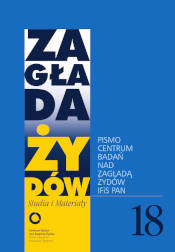 Zagłada Żydów.
Studia i Materiały
nr 18, R. 2022
Warszawa 2022
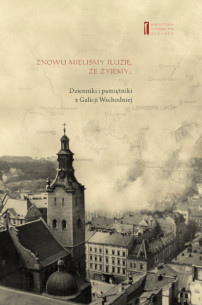
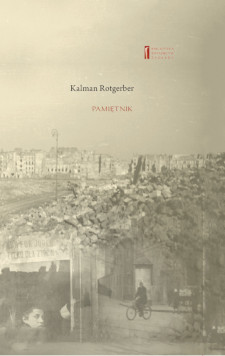 PAMIĘTNIK
Kalman Rotgeber
oprac. Aleksandra Bańkowska, wstęp Jacek Leociak
Warszawa 2021
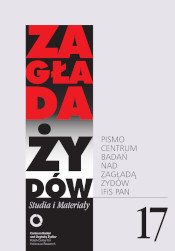
Zagłada Żydów.
Studia i Materiały
nr 17, R. 2021
Warszawa 2021
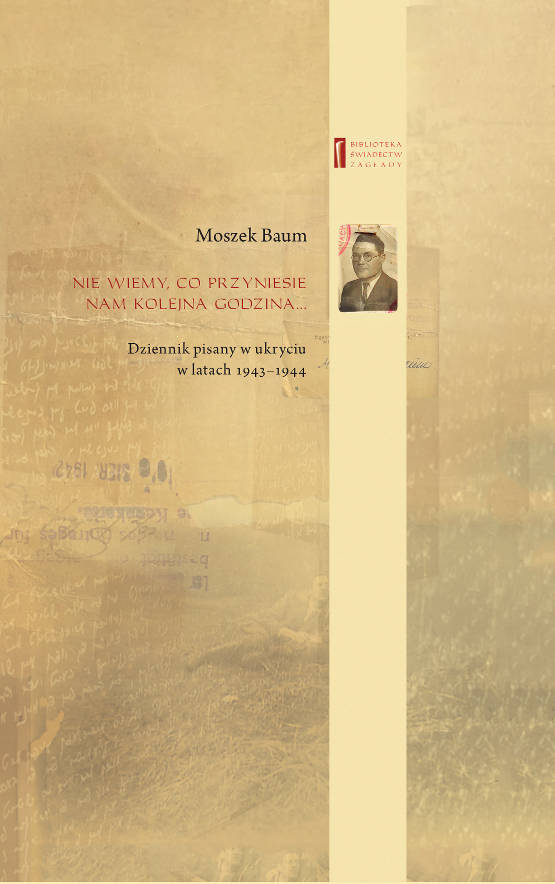 NIE WIEMY CO PRZYNIESIE NAM KOLEJNA GODZINA ...
Dziennik pisany w ukryciu w latach 1943-1944
Moszek Baum, oprac. Barbara Engelking, tłum. z jidysz Monika Polit
Warszawa 2020
Zagłada Żydów.
Studia i Materiały
nr 16, R. 2020
Warszawa 2020
.jpg) Aryjskiego Żyda wspomnienia, łzy i myśli
Aryjskiego Żyda wspomnienia, łzy i myśli
Zapiski z okupacyjnej Warszawy
Sewek Okonowski, oprac. Marta Janczewska
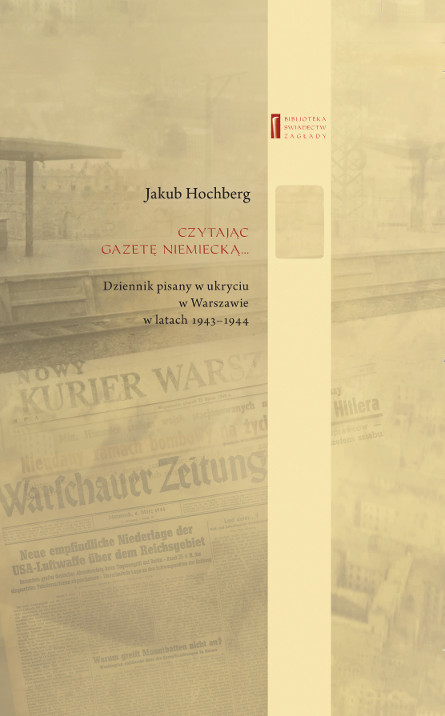
CZYTAJĄC GAZETĘ NIEMIECKĄ ...
Dziennik pisany w ukryciu w Warszawie w latach 1943-1944
Jakub Hochberg, oprac. i wstępem opatrzyła Barbara Engelking
Warszawa 2019
.jpg)
Zagłada Żydów.
Studia i Materiały
nr 15, R. 2019
Warszawa 2019
.jpg) Zagłada Żydów.
Zagłada Żydów.
Studia i Materiały
nr 14, R. 2018
Warszawa 2018
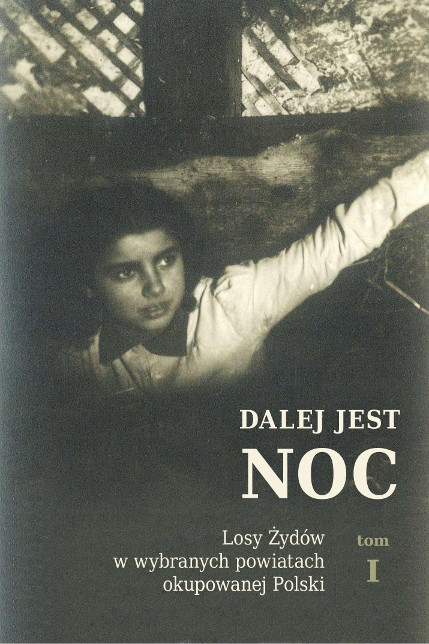 DALEJ JEST NOC. Losy Żydów w wybranych powiatach okupowanej Polski
red. i wstęp Barbara Engelking, Jan Grabowski
Warszawa 2018
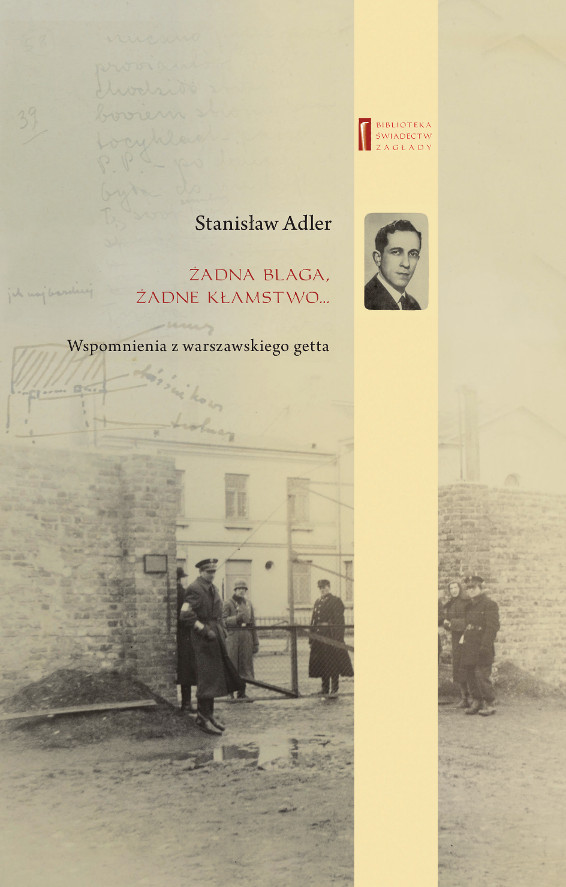 ŻADNA BLAGA, ŻADNE KŁAMSTWO ...
Wspomnienia z warszawskiego getta
Stanisław Adler, oprac. i wstępem opatrzyła Marta Janczewska
Warszawa 2018
 Zagłada Żydów.
Studia i Materiały
nr 13, R. 2017
Warszawa 2017
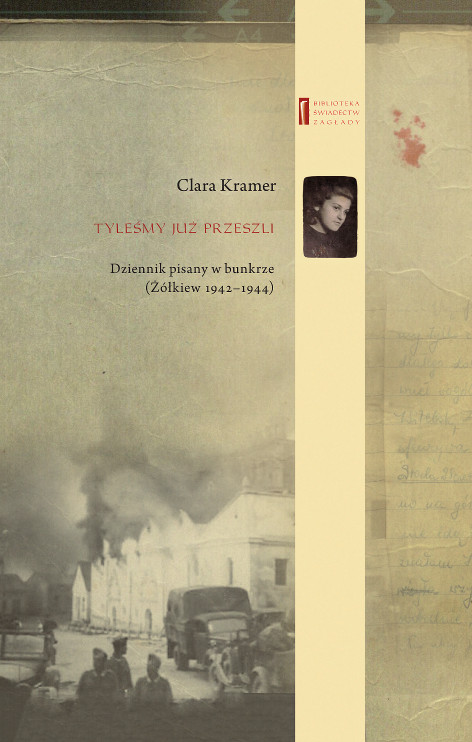 TYLEŚMY JUŻ PRZESZLI ...
Dziennik pisany w bunkrze (Żółkiew 1942-1944)
Clara Kramer, oprac. i wstępem opatrzyła Anna Wylegała
Warszawa 2017
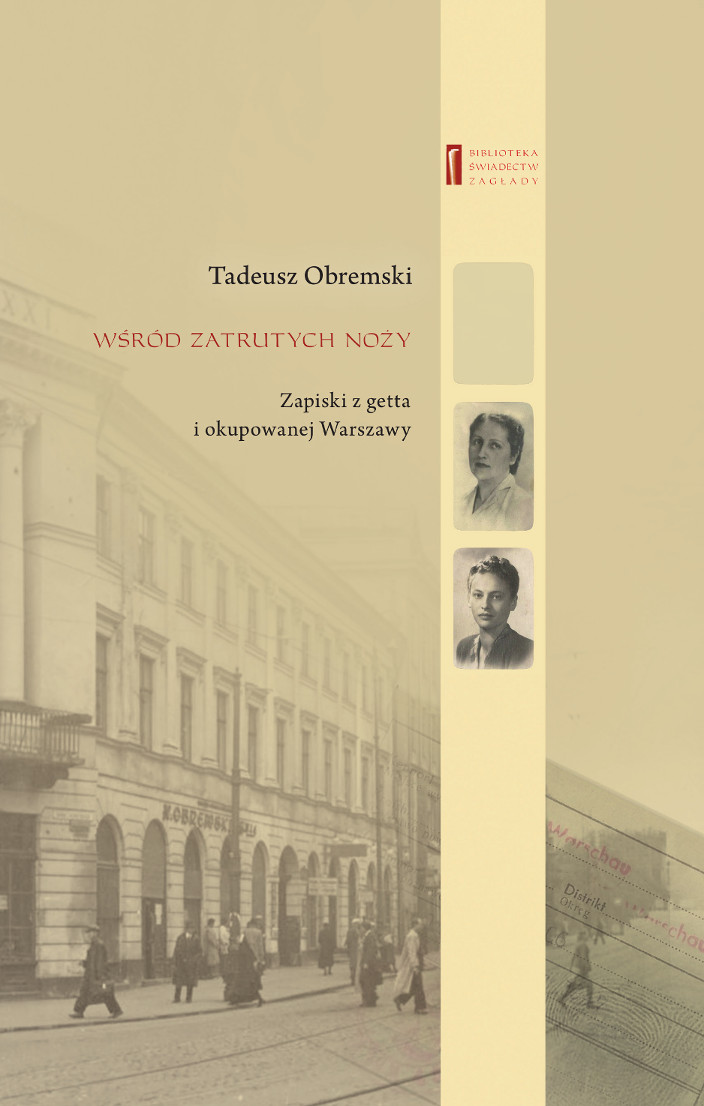 WŚRÓD ZATRUTYCH NOŻY ...
Zapiski z getta i okupowanej Warszawy
Tadeusz Obremski, oprac. i wstępem opatrzyła Agnieszka Haska
Warszawa 2017
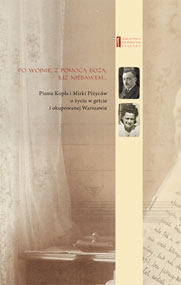 PO WOJNIE, Z POMOCĄ BOŻĄ, JUŻ NIEBAWEM ...
Pisma Kopla i Mirki Piżyców o życiu w getcie i okupowanej Warszawie
oprac. i wstępem opatrzyła Barbara Engelking i Havi Dreifuss
Warszawa 2017
 Zagłada Żydów.
Studia i Materiały
nr 12, R. 2016
Warszawa 2016
.jpg) SNY CHOCIAŻ MAMY WSPANIAŁE ...
SNY CHOCIAŻ MAMY WSPANIAŁE ...
Okupacyjne dzienniki Żydów z okolic Mińska Mazowieckiego
oprac. i wstępem opatrzyła Barbara Engelking
Warszawa 2016
.jpg)
 Zagłada Żydów.
Studia i Materiały
nr 11, R. 2015
Warszawa 2015
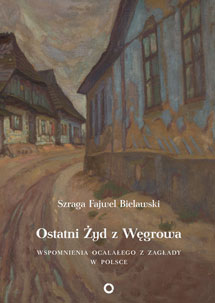
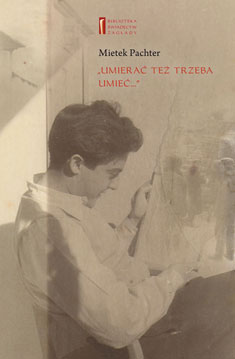 Mietek Pachter
UMIERAĆ TEŻ TRZEBA UMIEĆ ...
oprac. B. Engelking
Warszawa 2015
 Zagłada Żydów.
Studia i Materiały
nr 10, t. I-II, R. 2014
Warszawa 2015
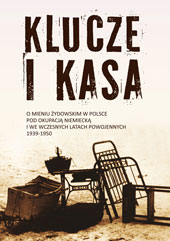
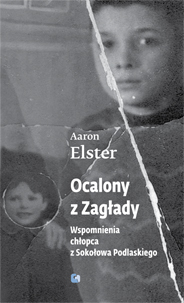 OCALONY Z ZAGŁADY
Wspomnienia chłopca z Sokołowa Podlaskiego
tłum. Elżbieta Olender-Dmowska
red .B. Engelking i J. Grabowski
Warszawa 2014
 ZAGŁADA ŻYDÓW. STUDIA I MATERIAŁY
vol. 9 R. 2013
Pismo Centrum Badań nad Zagładą Żydów IFiS PAN
Warszawa 2013
 ... TĘSKNOTA NACHODZI NAS JAK CIĘŻKA CHOROBA ...
Korespondencja wojenna rodziny Finkelsztejnów, 1939-1941
oprac. i wstępem opatrzyła Ewa Koźmińska-Frejlak
Warszawa 2012
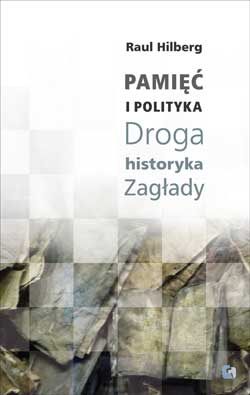
Raul Hilberg
PAMIĘĆ I POLITYKA. Droga historyka Zagłady
tłum. Jerzy Giebułtowski
Warszawa 2012
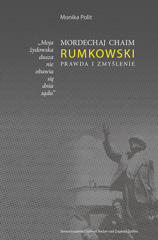 Monika Polit
"Moja żydowska dusza nie obawia się dnia sądu."
Mordechaj Chaim Rumkowski. Prawda i zmyślenie
Warszawa 2012
.jpg)
.jpg) Dariusz Libionka i Laurence Weinbaum
Dariusz Libionka i Laurence Weinbaum
Bohaterowie, hochsztaplerzy, opisywacze. Wokół Żydowskiego Związku Wojskowego
Warszawa 2011
.jpg)
.jpg) Zagłada Żydów.
Zagłada Żydów.
Studia i Materiały
R. 2011, nr. 7; Warszawa 2011
.jpg)
.jpg) Jan Grabowski
Jan Grabowski
JUDENJAGD. Polowanie na Żydów 1942.1945.
Studium dziejów pewnego powiatu
Warszawa 2011
.jpg)
.jpg) Stanisław Gombiński (Jan Mawult)
Stanisław Gombiński (Jan Mawult)
Wspomnienia policjanta z warszawskiego getta
oprac. i wstęp Marta Janczewska
Warszawa 2010
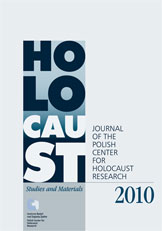
Holocaust Studies and Materials
Journal of the Polish Center for Holocaust Research
Warssaw 2010
.jpg) Żydów łamiących prawo należy karać śmiercią!
Żydów łamiących prawo należy karać śmiercią!
"Przestępczość" Żydów w Warszawie, 1939-1942
B. Engelking, J. Grabowski
Warszawa 2010

Zagłada Żydów.
Studia i Materiały
R. 2010, nr. 6; Warszawa 2010
Wybór źródeł do nauczania o zagładzie Żydów
Ćwiczenia ze źródłami
red. A. Skibińska, R. Szuchta
Warszawa 2010
.jpg) W Imię Boże!
W Imię Boże!
Cecylia Gruft
oprac. i wstęp Łukasz Biedka
Warszawa 2009
.jpg)
Zagłada Żydów.
Studia i Materiały
R. 2009, nr. 5; Warszawa 2009
.jpg) Żydzi w powstańczej Warszawie
Żydzi w powstańczej Warszawie
Barbara Engelking i Dariusz Libionka
Warszawa 2009
 Reportaże z warszawskiego getta
Perec Opoczyński
Warszawa 2009
 Notatnik
Szmul Rozensztajn
Warszawa 2008
.jpg) Holocaust
Holocaust
Studies and Materials.
English edition
2008, vol. 1; Warsaw 2008
.jpg)
.jpg)
Zagłada Żydów. Studia i Materiały
R. 2007, nr. 3; Warszawa 2007
.jpg)
Prowincja noc.
Życie i zagłada Żydów w dystrykcie warszawskim
Warszawa 2007
.jpg) Utajone miasto.
Utajone miasto.
Żydzi po 'aryjskiej' stronie Warszawy [1941-1944]
Gunnar S Paulsson
Kraków 2007
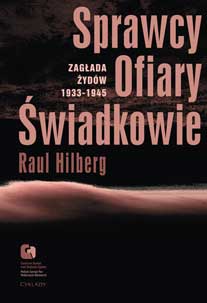 Sprawcy, Ofiary, Świadkowie.
Zagłada Żydów, 1933-1944
Raul Hilberg
Warszawa 2007
Zagłada Żydów. Studia i Materiały
R. 2006, nr. 2; Warszawa 2006
"Jestem Żydem, chcę wejść!".
Hotel Polski w Warszawie, 1943.
Agnieszka Haska
Warszawa 2006
Zagłada Żydów. Studia i Materiały
R. 2005, nr. 1; Warszawa 2005
.jpg) 'Ja tego Żyda znam!'
'Ja tego Żyda znam!'
Szantażowanie Żydów w Warszawie, 1939-1943.
Jan Grabowski
Warszawa 2004
 'Szanowny panie Gistapo!'
Donosy do władz niemieckich w Warszawie i okolichach, 1940-1941
Barbara Engelking, Warszawa 2003
aaa
Zagłada Żydów.
Studia i Materiały
nr 18, R. 2022
Warszawa 2022
PAMIĘTNIK
Kalman Rotgeber
oprac. Aleksandra Bańkowska, wstęp Jacek Leociak
Warszawa 2021
Zagłada Żydów.
Studia i Materiały
nr 17, R. 2021
Warszawa 2021
NIE WIEMY CO PRZYNIESIE NAM KOLEJNA GODZINA ...
Dziennik pisany w ukryciu w latach 1943-1944
Moszek Baum, oprac. Barbara Engelking, tłum. z jidysz Monika Polit
Warszawa 2020
Zagłada Żydów.
Studia i Materiały
nr 16, R. 2020
Warszawa 2020
Aryjskiego Żyda wspomnienia, łzy i myśli
Zapiski z okupacyjnej Warszawy
Sewek Okonowski, oprac. Marta Janczewska
CZYTAJĄC GAZETĘ NIEMIECKĄ ...
Dziennik pisany w ukryciu w Warszawie w latach 1943-1944
Jakub Hochberg, oprac. i wstępem opatrzyła Barbara Engelking
Warszawa 2019
Zagłada Żydów.
Studia i Materiały
nr 15, R. 2019
Warszawa 2019
Zagłada Żydów.
Studia i Materiały
nr 14, R. 2018
Warszawa 2018
DALEJ JEST NOC. Losy Żydów w wybranych powiatach okupowanej Polski
red. i wstęp Barbara Engelking, Jan Grabowski
Warszawa 2018
ŻADNA BLAGA, ŻADNE KŁAMSTWO ...
Wspomnienia z warszawskiego getta
Stanisław Adler, oprac. i wstępem opatrzyła Marta Janczewska
Warszawa 2018
Zagłada Żydów.
Studia i Materiały
nr 13, R. 2017
Warszawa 2017
TYLEŚMY JUŻ PRZESZLI ...
Dziennik pisany w bunkrze (Żółkiew 1942-1944)
Clara Kramer, oprac. i wstępem opatrzyła Anna Wylegała
Warszawa 2017
WŚRÓD ZATRUTYCH NOŻY ...
Zapiski z getta i okupowanej Warszawy
Tadeusz Obremski, oprac. i wstępem opatrzyła Agnieszka Haska
Warszawa 2017
PO WOJNIE, Z POMOCĄ BOŻĄ, JUŻ NIEBAWEM ...
Pisma Kopla i Mirki Piżyców o życiu w getcie i okupowanej Warszawie
oprac. i wstępem opatrzyła Barbara Engelking i Havi Dreifuss
Warszawa 2017
Zagłada Żydów.
Studia i Materiały
nr 12, R. 2016
Warszawa 2016
SNY CHOCIAŻ MAMY WSPANIAŁE ...
Okupacyjne dzienniki Żydów z okolic Mińska Mazowieckiego
oprac. i wstępem opatrzyła Barbara Engelking
Warszawa 2016
Zagłada Żydów.
Studia i Materiały
nr 11, R. 2015
Warszawa 2015
Mietek Pachter
UMIERAĆ TEŻ TRZEBA UMIEĆ ...
oprac. B. Engelking
Warszawa 2015
Zagłada Żydów.
Studia i Materiały
nr 10, t. I-II, R. 2014
Warszawa 2015
OCALONY Z ZAGŁADY
Wspomnienia chłopca z Sokołowa Podlaskiego
tłum. Elżbieta Olender-Dmowska
red .B. Engelking i J. Grabowski
Warszawa 2014
ZAGŁADA ŻYDÓW. STUDIA I MATERIAŁY
vol. 9 R. 2013
Pismo Centrum Badań nad Zagładą Żydów IFiS PAN
Warszawa 2013
... TĘSKNOTA NACHODZI NAS JAK CIĘŻKA CHOROBA ...
Korespondencja wojenna rodziny Finkelsztejnów, 1939-1941
oprac. i wstępem opatrzyła Ewa Koźmińska-Frejlak
Warszawa 2012
Raul Hilberg
PAMIĘĆ I POLITYKA. Droga historyka Zagłady
tłum. Jerzy Giebułtowski
Warszawa 2012
Monika Polit
"Moja żydowska dusza nie obawia się dnia sądu."
Mordechaj Chaim Rumkowski. Prawda i zmyślenie
Warszawa 2012
Dariusz Libionka i Laurence Weinbaum
Bohaterowie, hochsztaplerzy, opisywacze. Wokół Żydowskiego Związku Wojskowego
Warszawa 2011
Zagłada Żydów.
Studia i Materiały
R. 2011, nr. 7; Warszawa 2011
Jan Grabowski
JUDENJAGD. Polowanie na Żydów 1942.1945.
Studium dziejów pewnego powiatu
Warszawa 2011
Stanisław Gombiński (Jan Mawult)
Wspomnienia policjanta z warszawskiego getta
oprac. i wstęp Marta Janczewska
Warszawa 2010
Holocaust Studies and Materials
Journal of the Polish Center for Holocaust Research
Warssaw 2010
Żydów łamiących prawo należy karać śmiercią!
"Przestępczość" Żydów w Warszawie, 1939-1942
B. Engelking, J. Grabowski
Warszawa 2010
Zagłada Żydów.
Studia i Materiały
R. 2010, nr. 6; Warszawa 2010
Wybór źródeł do nauczania o zagładzie Żydów
Ćwiczenia ze źródłami
red. A. Skibińska, R. Szuchta
Warszawa 2010
W Imię Boże!
Cecylia Gruft
oprac. i wstęp Łukasz Biedka
Warszawa 2009
Zagłada Żydów.
Studia i Materiały
R. 2009, nr. 5; Warszawa 2009
Żydzi w powstańczej Warszawie
Barbara Engelking i Dariusz Libionka
Warszawa 2009
Reportaże z warszawskiego getta
Perec Opoczyński
Warszawa 2009
Notatnik
Szmul Rozensztajn
Warszawa 2008
Holocaust
Studies and Materials.
English edition
2008, vol. 1; Warsaw 2008
Zagłada Żydów. Studia i Materiały
R. 2007, nr. 3; Warszawa 2007
Prowincja noc.
Życie i zagłada Żydów w dystrykcie warszawskim
Warszawa 2007
Utajone miasto.
Żydzi po 'aryjskiej' stronie Warszawy [1941-1944]
Gunnar S Paulsson
Kraków 2007
Sprawcy, Ofiary, Świadkowie.
Zagłada Żydów, 1933-1944
Raul Hilberg
Warszawa 2007
Zagłada Żydów. Studia i Materiały
R. 2006, nr. 2; Warszawa 2006
"Jestem Żydem, chcę wejść!".
Hotel Polski w Warszawie, 1943.
Agnieszka Haska
Warszawa 2006
Zagłada Żydów. Studia i Materiały
R. 2005, nr. 1; Warszawa 2005
'Ja tego Żyda znam!'
Szantażowanie Żydów w Warszawie, 1939-1943.
Jan Grabowski
Warszawa 2004
'Szanowny panie Gistapo!'
Donosy do władz niemieckich w Warszawie i okolichach, 1940-1941
Barbara Engelking, Warszawa 2003
aaa
Nowy Swiat St. 72, 00-330 Warsaw; POLAND;
Palac Staszica room 120
e-mail: centrum@holocaustresearch.pl
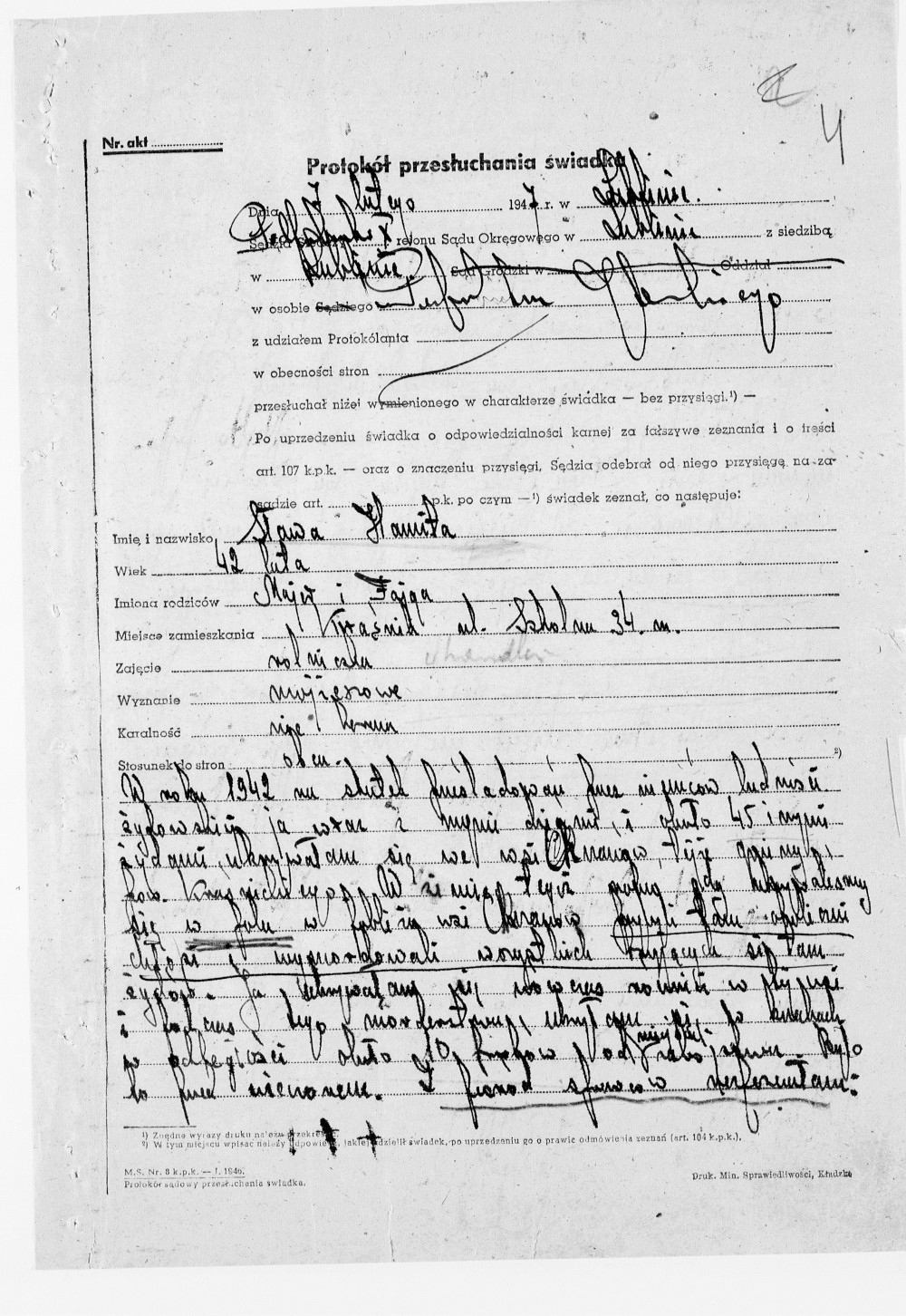
pen Academic Seminar. Justyna Koszarska-Szulc will deliver a lecture entitled will deliver a paper entitled You’ll swallow a bullet and go where the Jew goes. Postwar Trial Testimonies and the Discourse on the Holocaust
pen Academic Seminar. Justyna Koszarska-Szulc will deliver a lecture entitled will deliver a paper entitled You’ll swallow a bullet and go where the Jew goes. Postwar Trial Testimonies and the Discourse on the Holocaust
02.04.2026 16:40:21
Open Academic Seminar
Justyna Koszarska-Szulc
„“You’ll swallow a bullet and go where the Jew goes.” Postwar Trial Testimonies and the Discourse on the Holocaust
The meeting will take place on
Wednesday, April 15, in Room 161 at Staszic Palace (72 Nowy Świat Street) at 11:00 a.m.
Online participation via Zoom is available—registration is required:
Justyna Koszarska-Szulc is an Assistant Professor at the Institute of Literary Research of the Polish Academy of Sciences. She is involved in work on the Atlas of Holocaust Literature (at the IBL PAN Digital Humanities Centre). She collaborates with the United States Holocaust Memorial Museum on the “Holocaust Justice” project. In 2024, she published the book Faithful to His Own Fracture: Identity in the Work of Artur Sandauer, which received, among other distinctions, the Józef Gierowski and Chone Shmeruk Award. She curated the exhibitions A Stranger at Home: Around March ’68 and (Post-)JEWISH: The Opatów Shtetl through the Eyes of Majer Kiszenblat (the latter jointly with Natalia Romik), and was a member of the curatorial team responsible for the core exhibition at the POLIN Museum.

